

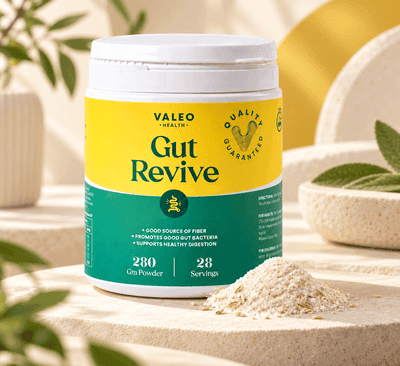
Psyllium Husk Kuwait: A Practical Guide to Better Gut Health
Introduction
If you are searching for psyllium husk Kuwait, you may be looking for a simple way to support regularity, daily fiber intake, or digestive comfort. Psyllium is a plant based soluble fiber that absorbs water and forms a gel in the digestive tract. This can add bulk to stool and help make bowel movements easier to pass. It works best alongside enough water, balanced meals, regular movement, and attention to your own digestive symptoms.
Key Takeaway
• Psyllium can support bowel regularity, but more fiber is not always better. Increase fiber gradually, drink enough water, and use supplements to complement a varied diet.
What Is Psyllium Husk Kuwait and How Does It Work?
Psyllium comes from the outer coating of Plantago ovata seeds. When it meets liquid, the fiber swells and develops a gel like texture. In the bowel, this can help retain water and add bulk to stool.
When comparing psyllium husk products, look beyond fiber amount alone. Consider your normal diet, water intake, medicines, and any digestive condition you already manage.
Soluble Fiber and Regularity
Some people find soluble fiber easier to tolerate than rougher fiber sources, but increasing any fiber too quickly may cause gas, fullness, or bloating. If your usual diet is low in fiber, increase it gradually while improving meals at the same time.
Why Water Matters
Psyllium needs liquid to work properly. Taking it with too little fluid may make constipation worse and can make the product harder to swallow. Always follow the serving directions on the product you use.
If you have difficulty swallowing, a known bowel blockage, persistent abdominal pain, or unexplained rectal bleeding, speak with a healthcare professional before using a fiber supplement.
How to Use Psyllium Husk Kuwait in a Daily Routine
Psyllium should complement meals, not replace vegetables, fruits, legumes, whole grains, nuts, or seeds.
Start Gradually
If your current fiber intake is low, begin with the amount recommended on the product label rather than taking extra for faster results. Give your digestive system time to adapt.
A simple routine could include oats and fruit at breakfast, vegetables and a whole grain at lunch, and psyllium husk only as an additional fiber source when appropriate.
Take It With Enough Fluid
Take the product exactly as directed and drink enough water. If you use prescription medicines, ask your doctor or pharmacist whether you need to separate them from a fiber supplement, since psyllium can affect the absorption of some medicines.
How to Reduce Bloating Quickly Without Making It Worse
People often search how to reduce bloating quickly after a heavy meal, a sudden diet change, or several days of constipation. The first step is to consider the likely trigger instead of adding several remedies at once.
Bloating may be linked with constipation, eating too quickly, carbonated drinks, large meals, or food intolerances. If constipation is part of the problem, improving regularity may help, but adding a large amount of fiber at once can temporarily increase gas.
Practical Steps to Try
• Eat more slowly and chew food well.
• Reduce carbonated drinks if they trigger fullness.
• Take a gentle walk after meals.
• Drink water regularly during the day.
• Avoid suddenly doubling your fiber intake.
• Keep a short food and symptom diary if bloating happens often.
The cause matters. Someone who is bloated from constipation may need a different approach from someone who reacts to lactose or a large serving of beans.
Seek medical advice for severe pain, vomiting, blood in the stool, unexplained weight loss, or a major change in bowel habits.
Best Foods for Gut Health to Eat With Fiber
There is no single food that guarantees a healthier gut. A varied diet gives your digestive system different types of fiber and nutrients.
Fiber Rich Everyday Choices
Useful options include oats, barley, lentils, chickpeas, beans, berries, pears, apples with the skin, vegetables, nuts, seeds, and whole grains.
If beans or lentils make you very gassy, start with a smaller portion. Some people also tolerate cooked vegetables better than large raw salads.
Build a Realistic Kuwait Friendly Plate
A practical lunch might include grilled chicken or fish, brown rice or whole grain bread, cooked vegetables, salad, and yogurt if tolerated. Lentil soup with salad and fruit is another simple choice. Aim for variety across the week.
Psyllium, Fullness, and Weight Management
Because soluble fiber absorbs water and expands, it can contribute to fullness. That does not mean psyllium causes weight loss by itself.
Healthy weight management still depends on food intake, protein, fiber, sleep, activity, and medical factors. A fiber supplement may fit into a medically guided plan when appropriate, with the goal of supporting comfort and regularity.
Common Mistakes to Avoid
Taking Too Much Too Soon
A sudden increase in fiber can cause gas, cramping, or bloating. More is not automatically better.
Not Drinking Enough Water
If you add fiber but keep fluid intake low, constipation may become worse.
Using Fiber Instead of Food
Supplements are convenient, but they do not replace the nutrients and variety provided by whole foods.
Ignoring Recurring Symptoms
Repeated bloating or constipation deserves proper assessment if simple diet and routine changes do not help.
Final Thoughts
A good digestive routine is usually simple. Increase fiber gradually, drink enough water, eat a varied diet, stay active, and pay attention to your tolerance. If you are comparing psyllium husk Kuwait products, choose an option that fits your routine and follow the serving directions rather than increasing the dose on your own.
For a broader approach to digestive support and healthy weight goals, explore Valeo's psyllium husk options within its weight management journey. Pairing sensible fiber use with the best foods for gut health is more useful than relying on one product alone.
Medically Reviewed By: Dr. Rayan Mohammed, General Practitioner at Valeo Health
Reviewed for medical accuracy, safety guidelines, and healthcare recommendations.